Food insecurity did not simply become a crisis during the COVID-19 pandemic – it already was one for 35 million Americans — but it did become far more visible. In addition to not having enough food to eat, millions of Americans struggle to access the nutritious foods they need to maintain their health and reduce their risk of chronic disease. Again, the pandemic accentuated the link between decent food and good health, but inequitable access to healthy food has been a daily fact of life in communities across the nation – from small indigenous reservations to high-profile urban centers like Washington, DC.
For hunger-fighting organizations like DC Hunger Solutions and DC Central Kitchen, recent Federal actions to invest in core programs like SNAP and revaluate baseline benefit levels that had stagnated for more than a generation represent long-awaited and critical steps forward. We also know that individual communities can and must play a role in charting their own solutions to food justice and informing these types of large-scale Federal actions.
Here in our nation’s capital, access to healthy, dignified food depends largely on one’s ZIP code and race. At the start of the last decade, DC Hunger Solutions’ research called attention to a stark ‘grocery gap,’ with a wholly inadequate number of grocery stores serving the predominantly Black communities situated east of the Anacostia River. Even today, there are still just three grocery stores serving more than 160,000 residents. During the pandemic, the idea of sharing a grocery store with tens of thousands of one’s closest neighbors went from a chronic health concern to an acute one.
While there were understandable calls for more aggressive public sector investments in attracting more grocery stores to what became known as the city’s ‘food deserts,’ our organizations recognized that waiting for those incentives to pay dividends would only allow disparities to worsen. We also knew that simply ramping up charitable distributions of free food did not reflect the actual desires or fundamental dignity of these residents.
So, we came up with a not-so-radical radical idea. Though some neighborhoods did not have full-service, big box grocery stores, they did have were corner stores – small businesses sometimes called bodegas or minimarts in other cities. These small businesses sold food daily but their inventory did not include fresh fruits and vegetables. In taking the time to ask why, we found that corner stores did not meet the minimum requirements for wholesale deliveries and that they lacked both the experience to merchandise fresh options along with the confidence that their customers would buy these perishable items before their investment was lost.
That’s where Healthy Corners came in.
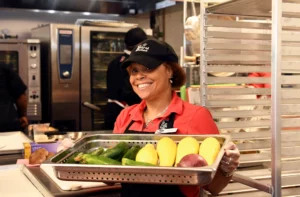
DC Hunger Solutions took its research findings off the page and into the community by enlisting a small cohort of five corner stores in a pilot effort to test basic methods of product distribution, pricing, and consumer marketing. The DC Council took the critical next step of including funds to support healthier options at corner stores within a larger legislative effort to incentivize the opening of new supermarkets. Then, backed by District resources and DC Hunger Solutions’ expertise, DC Central Kitchen used its skills in local sourcing, food distribution, and community engagement to launch the Healthy Corners program in August 2011 – exactly ten years ago this month.
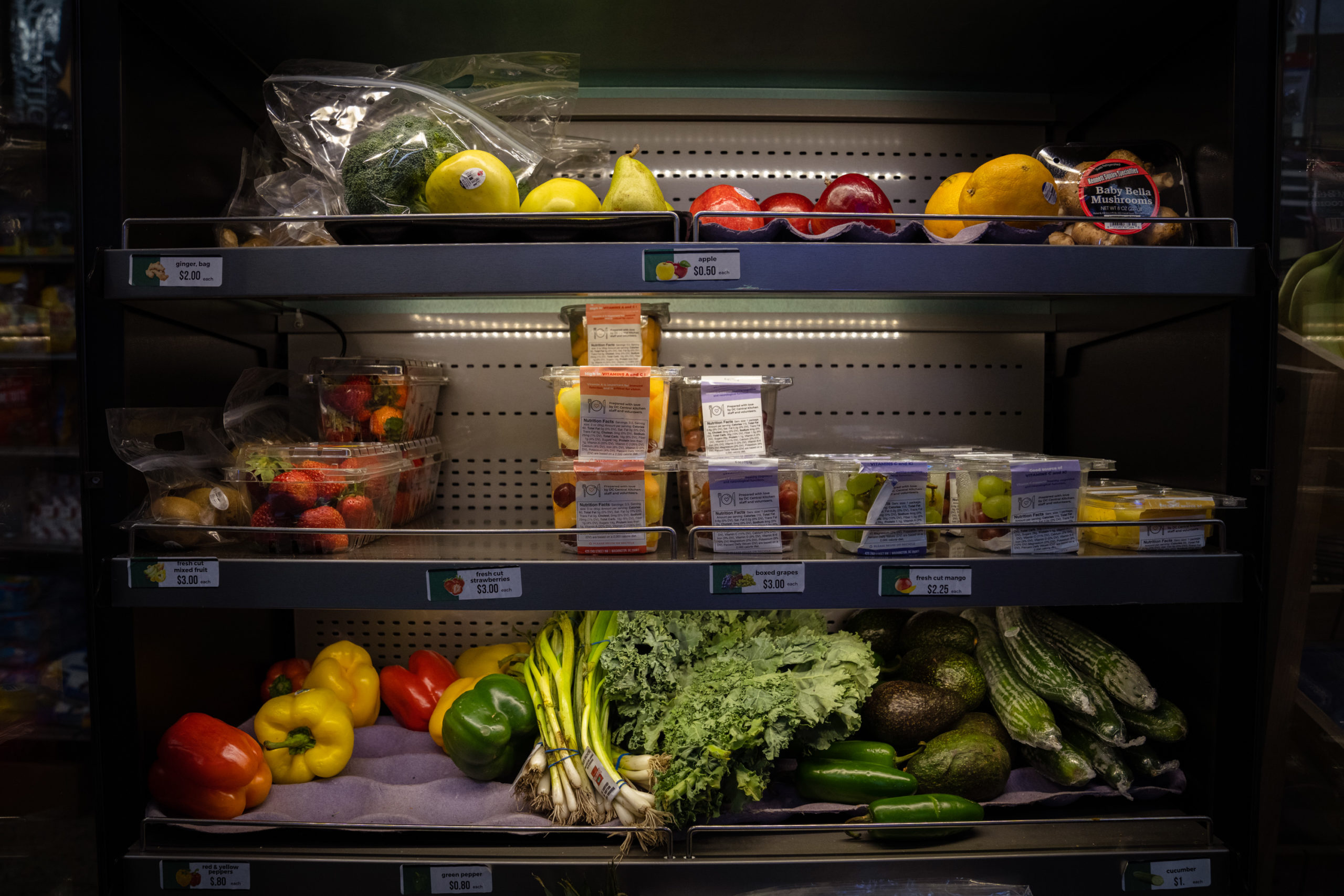
To start, DC Central Kitchen provided 30 corner stores with free refrigerators and shelving units, fresh produce, complementary deliveries for the first several weeks, and installed attractive signage and marketing materials. In time, the program shifted to a deeply discounted wholesale model, so owners had a stake in the program. DC Central Kitchen also began setting up tables with free samples and cooking demonstrations outside participating stores, which created opportunities for DC Hunger Solutions to educate shoppers about their eligibility for Federal nutrition programs. We listened to customers and added fresh-cut items like fruit salads that were easy to eat on the go. At the end of the initial six-month grant, Healthy Corners empowered small retailers to sell nearly 20,000 units of healthy food, proving that demand did exist with the right combination of supply and support.
That pilot was the start of something big. In the past year of pandemic operations, our 53 partner retailers sold more than 383,000 units of nutritious foods, including fresh and frozen items. Nearly 30% of our current offerings are local, providing new revenue streams for nearby farmers and food producers. Independent research confirms that 80% of Healthy Corners customers report purchasing more fruits and vegetables due to the program and 100% are consuming increased quantities of fruits and vegetables at home. In the past two years, more than half our stores have changed their floorplans to provide more space and visibility for our healthy alternatives.
How did we get here? Part of the answer lies in Federal nutrition programs. Since 2018, Healthy Corners has partnered with the USDA and DC Health to provide matching incentives to SNAP customers, expanding their purchasing power when shoppers select healthy produce items. DC Hunger Solutions and DC Central Kitchen also spent years working to bring WIC benefits to our city’s corner stores for the first time, a combination of legislative advocacy and on-the-ground capacity building that has been a game-changer for young families and small businesses alike.
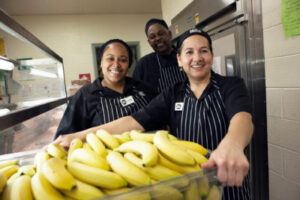
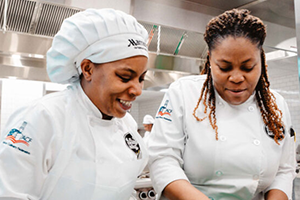
Federal programs do not, however, exist in a vacuum. Our success is just as attributable to intentional, close collaboration with communities. From building trust among store owners to hiring Healthy Corners shoppers to support our outreach and evaluation activities to training returning citizens and Opportunity Youth for full-time, living wage jobs within the Healthy Corners program, community buy-in and power-building are as central to our model as bananas and kale.
Ten years in, Healthy Corners stands as an example how communities can have a decisive say in how Federal nutrition programs serve local needs. By taking an asset-based approach that lifts up community voice and creates economic opportunity at the neighborhood level, we have taken aim at the assumptions, stereotypes, and disparities that perpetuate food apartheid. Healthy Corners’ model is certainly primed for scale here in DC and in localities across the nation, but its real power lies in inspiring continued advocacy at all levels of government. Let’s all work to ensure that proposed solutions to food insecurity and inequitable food access are accountable to the people they are intended to serve and refuse to shy away from the root causes of this long-standing, and long-overlooked, American crisis.